mySecondTeacher
A formal education platform designed to support digital learning through diagnostic assessments, structured learning paths, and interactive educational experiences.

Product Owner, Design Team Lead
2019 — 2023
ED-TECH
Figma, Sketch
UX Research
Most digital learning platforms either relied on passive content or replicated textbook-style experiences without meaningful interaction. Students struggled to understand their learning progress, while teachers lacked visibility into classroom performance and engagement.
mySecondTeacher was designed to support formal education through diagnostic learning, structured coursework, and digital classroom experiences. The challenge was creating an experience that balanced usability, engagement, and educational clarity for younger learners.
Formal platforms in 2019 had terrible interfaces. Learning progression was not always clear to students, and teachers faced difficulty tracking performance efficiently.
School licensing required administrator reporting as a first-class feature for compliance. Student experience drove organic growth.
The research included reviewing educational platforms and digital learning products to better understand learning progression, engagement models, dashboard structures, and accessibility patterns commonly used in formal education platforms.
Understanding the gap we were filling
| PRODUCT | CURRICULUM | ASSESSMENT | TEACHER TOOLS |
|---|---|---|---|
| Udemy | No structure | No assessment | No assessment |
| Khan Academy | Structured | Basic quizzes | No school admin |
| BYJU's | India-curric. | Strong | No teacher tools |
| mySecondTeacher | Curriculum-aligned | IVY embedded | Connected stack |
Persona 1: Student
"Online classes feel like reading a textbook on a screen."
Disengaged and unsure if learning
Skips through videos, ignores checkpoints
"I want to know where I stand."
Persona 2: Teacher
"I can't tell who's falling behind until the exam."
Blind to what students actually absorb
Grades manually, tracks attendance in spreadsheets
"Show me who's struggling now, not after."
UX Design
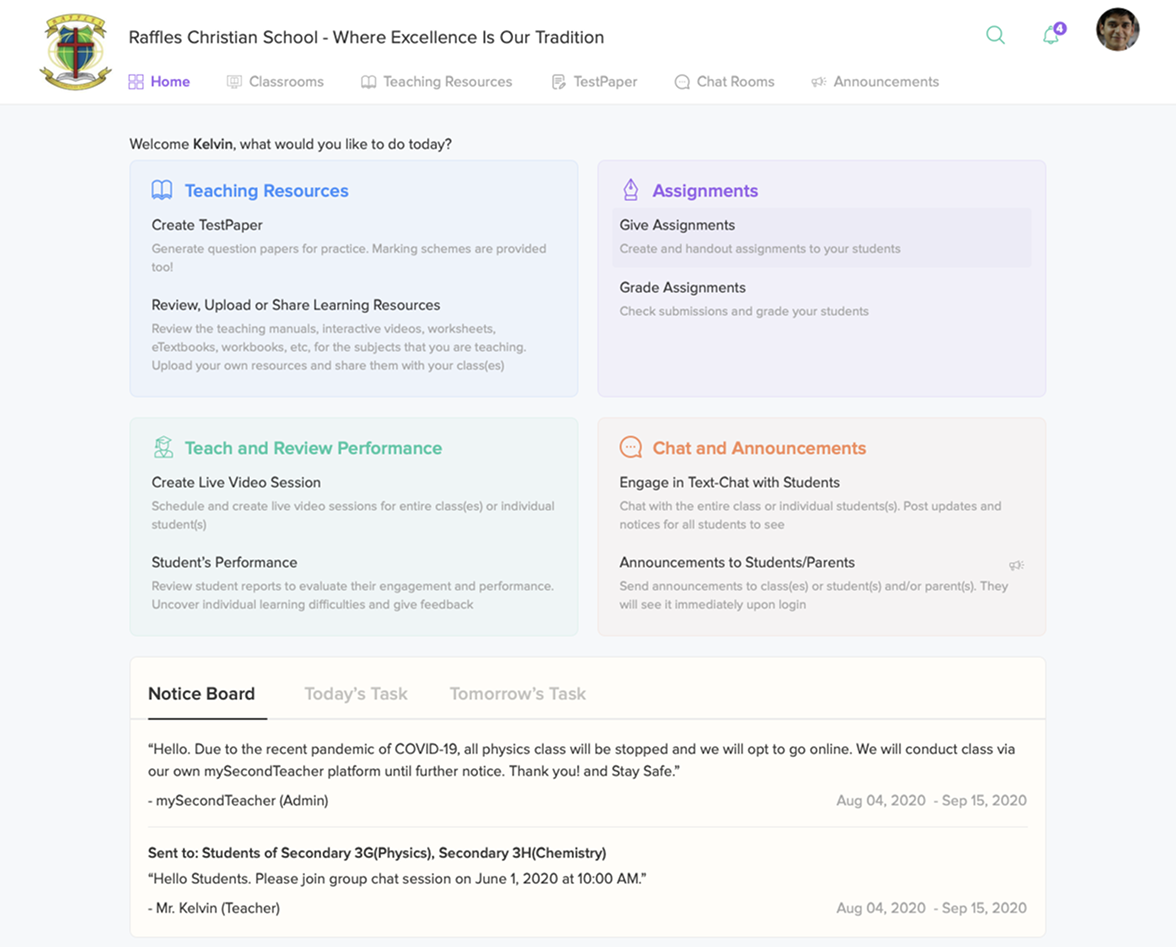
The platform aimed to create a structured and approachable learning experience that supported both educational outcomes and usability. The focus was on improving learning progression, simplifying navigation, and giving teachers clearer visibility into student performance while supporting future platform scalability.
| CUSTOMER JOBS | PAINS | GAINS |
|---|---|---|
| Learn curriculum content | Passive video | Interactive quizzes |
| Track progress | No real-time feedback | Diagnostic tracking |
| Manage school ops | Fragmented admin | Unified LMS |
The platform evolved across multiple phases, expanding from core learning experiences into classroom tools, localized products, and supporting educational ecosystems.
| Phase 1 — MVPFOUNDATION | Phase 2 — GrowthSCALE | Phase 3EXPAND |
|---|---|---|
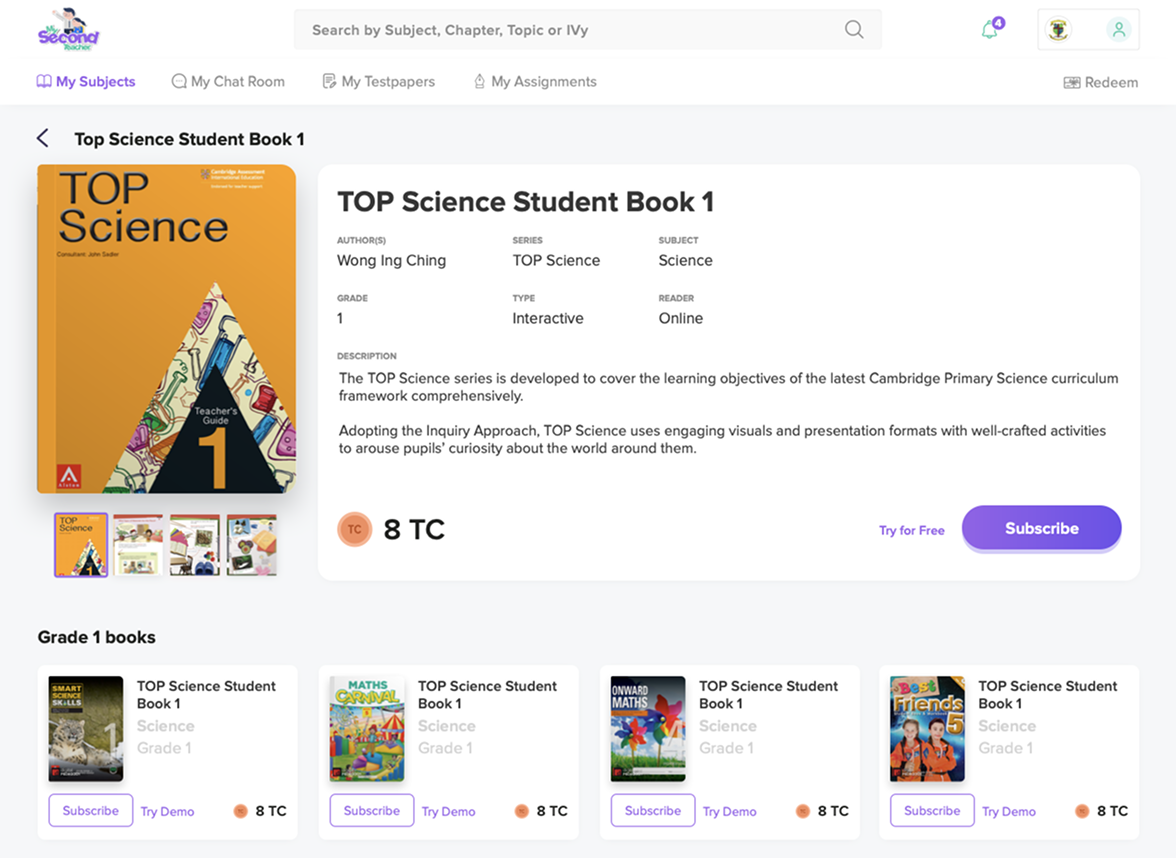
| Curriculum-aligned content | Ebook and annotation | Testpaper |
| IVY interactive player with Quiz embedded | Classroom — Assignments, Video classroom, Chatroom | TV app for offline classes for no wifi areas |
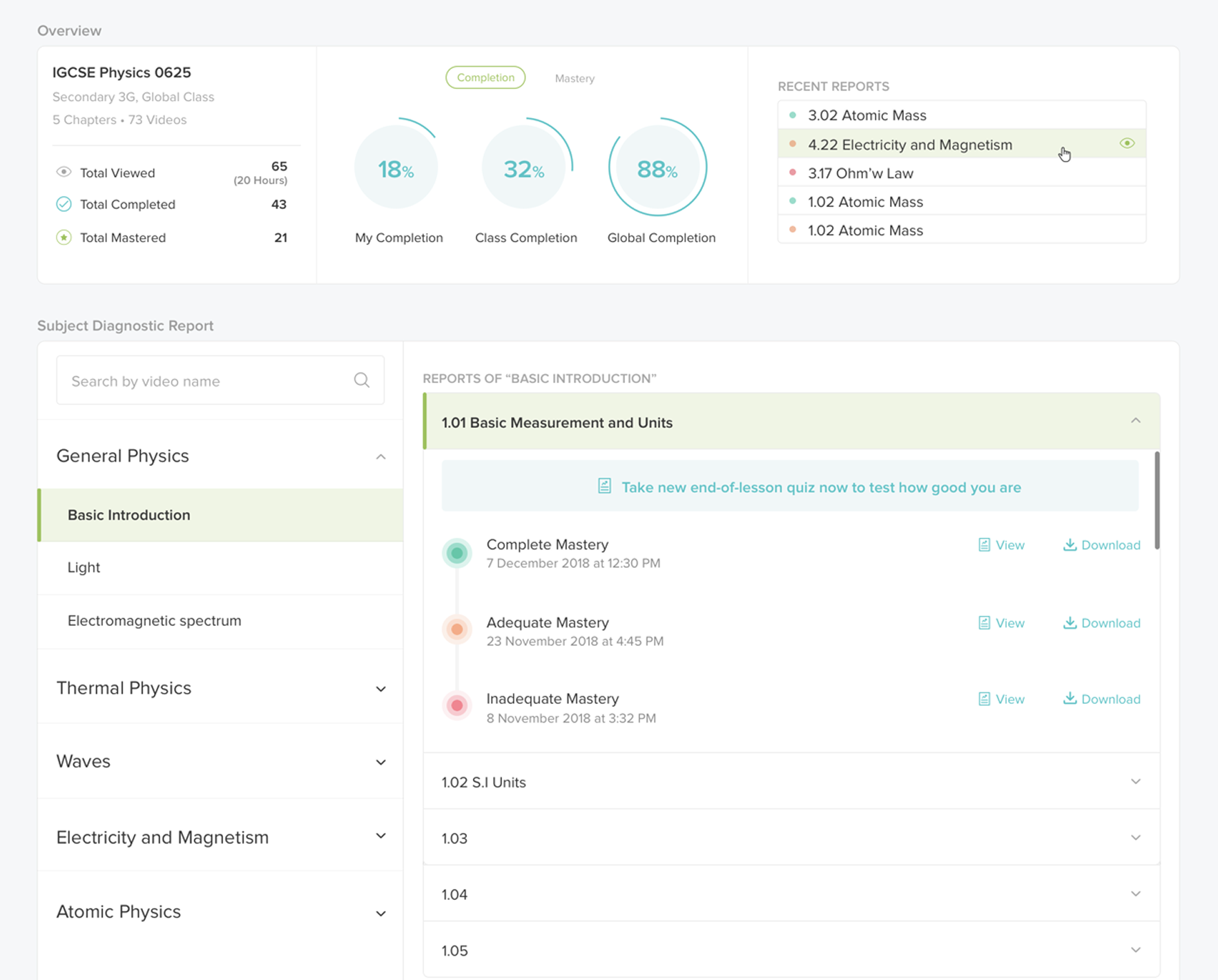
| Mastery summary on completion | Class-level progress dashboard | — |
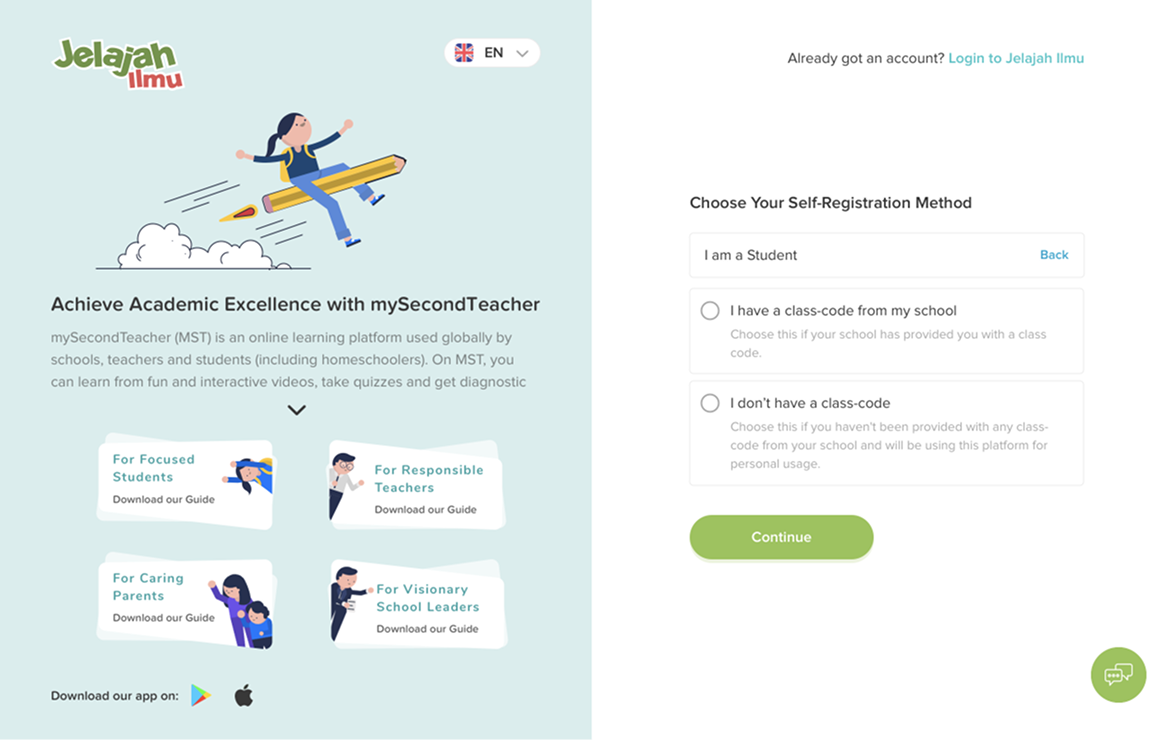
| Student, Teacher and Parent portals and mobile apps | Localized version for Indonesia — Jelajah Ilmu | — |
Special attention was given to scalability, content organization, and consistency across modules.
UI Design
Web App Design System
Color
01Type
02Components
03Introduction to Algebra I: Linear Equations
Algebra I
72%
Key interfaces were designed across the student, teacher, and administrative ecosystem, including learning dashboards, classroom experiences, interactive video lessons, reporting tools, and ebook workflows.
Outcomes
100+
SCHOOLS DEPLOYEDRolled out across Nepal and Southeast Asia.
2
MARKETS LAUNCHEDNepal and Indonesia — distinct UX approaches for each context.
#1
BEST eLEARNING APAC 2023Recognized after four years of sustained product iteration.
Engagement is driven by learning clarity
The improvement in lesson completion came from making learning progress easier to understand through structured checkpoints, progress visibility, and guided interactions. Small UX decisions helped students better understand where they were, what came next, and how they were progressing.
Product ownership strengthened design decisions
Working as Product Owner for Jelajah Ilmu involved writing user stories, running sprint reviews, and managing product priorities alongside design responsibilities. Being closely involved in product decisions helped shape more practical and scalable design solutions grounded in real implementation constraints.
Learning experiences must support real classroom behavior
Designing for formal education required understanding how students learn, how teachers manage classrooms, and how educational workflows operate beyond the interface itself. The platform needed to support structured learning experiences that felt approachable, adaptable, and practical for everyday classroom use.